Meta Ads for B2B SaaS: Complete 2026 Guide

Meta Ads

March 12, 2026

Meta ads for B2B SaaS brands

Table Of Contents

No headings found on page

Most B2B marketers dismiss Meta ads because they assume decision-makers only exist on LinkedIn. That assumption is costing them cheaper leads and faster scale.

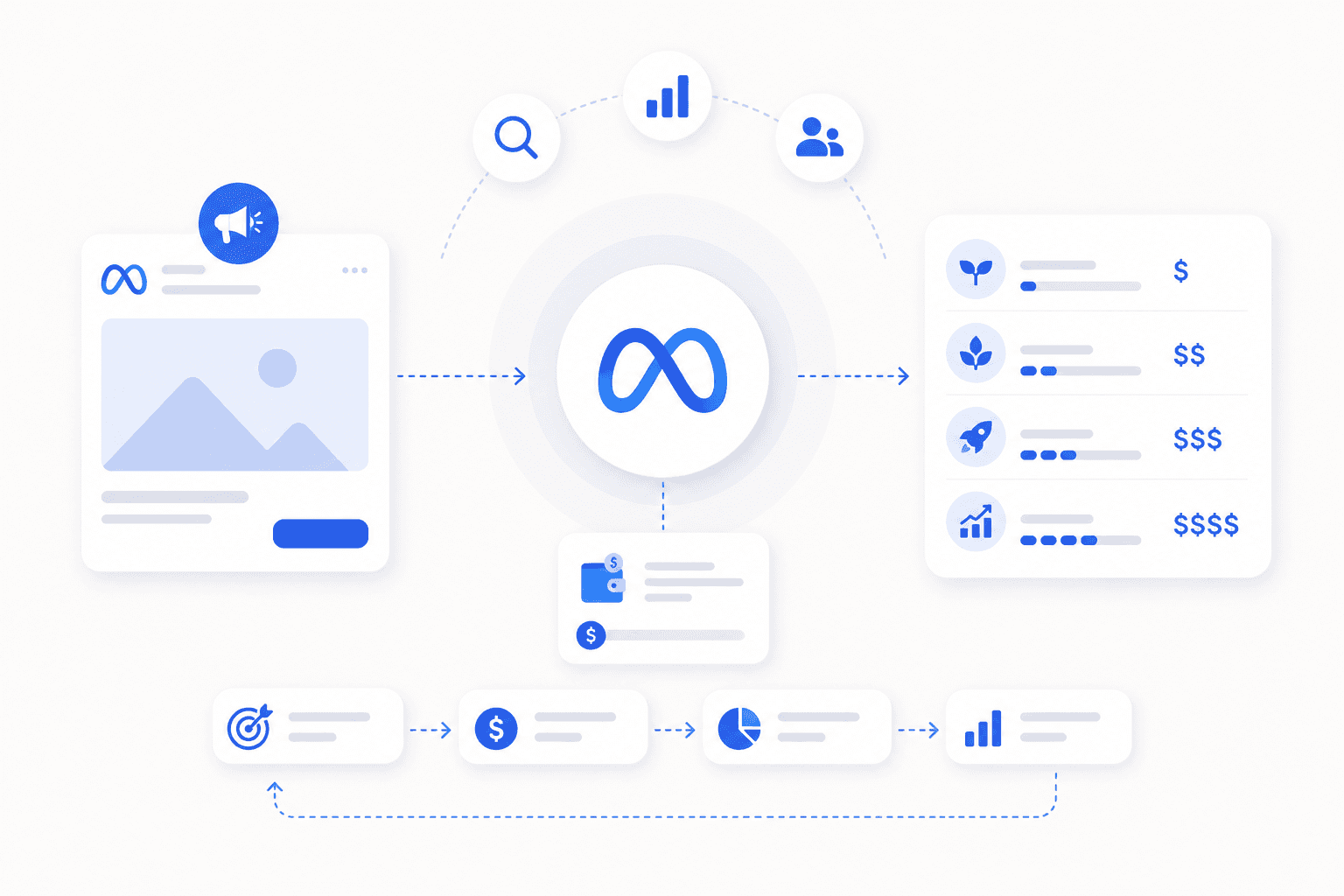
Meta's lower CPM (cost per 1,000 impressions), massive reach, and sophistication with qualified lead targeting make it one of the most underutilized growth channels in B2B SaaS. This guide covers how to structure campaigns for qualified pipeline, target business buyers effectively, and build the creative and landing page systems that turn Meta traffic into revenue.

This guide focuses specifically on Meta Ads strategies for B2B SaaS brands. For a broader overview of Meta Ads strategies across industries, see our Meta Ads Strategy 2026 guide.

Key Takeaways

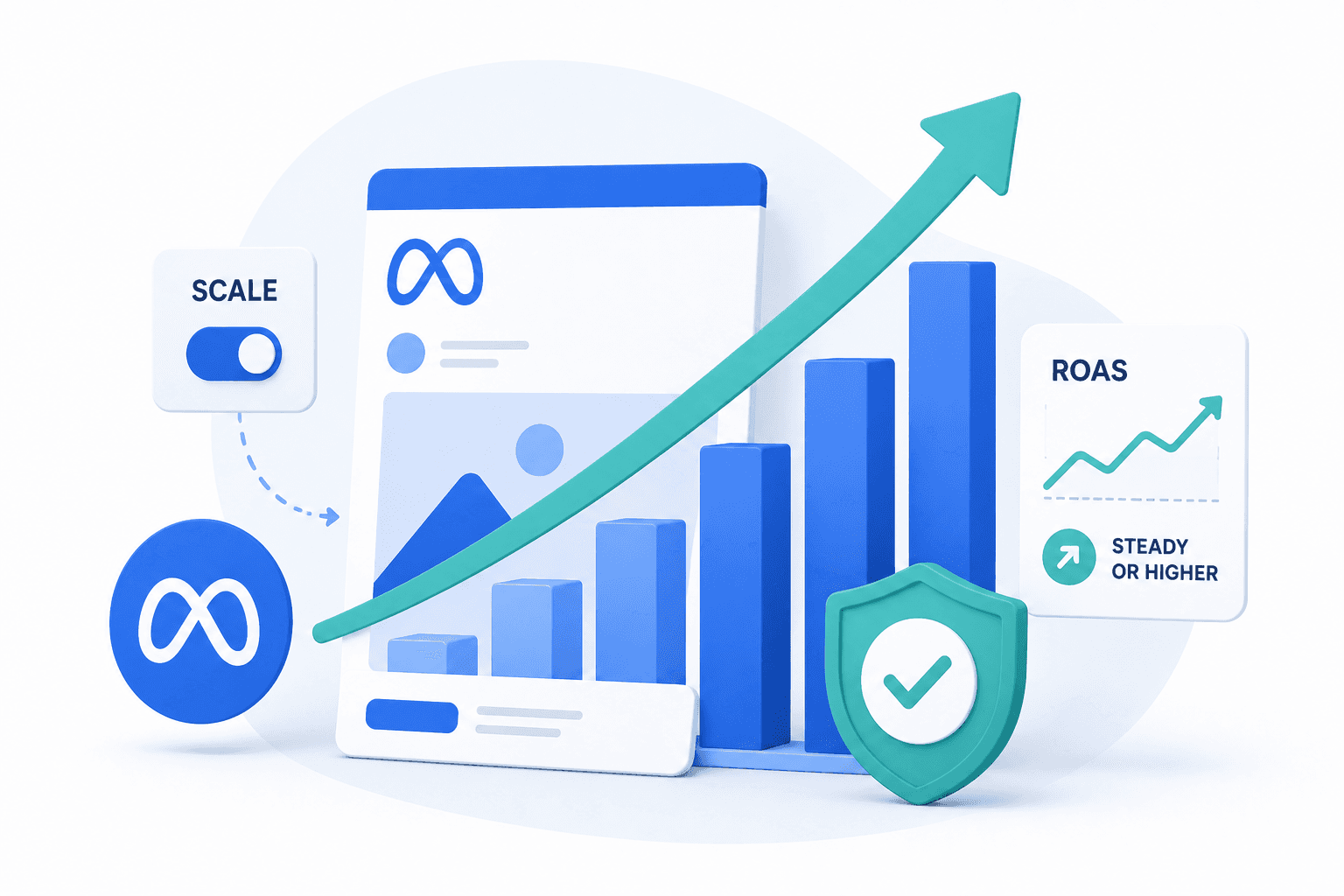
  1. Cost Efficiency: Meta Ads often provide CPMs 2–3x lower than LinkedIn, making it a highly scalable channel for B2B SaaS.

  2. Signal Quality: Success depends on optimizing for downstream CRM events (SQLs and Opportunities) or conditional lead events.

  3. Data Infrastructure: Implementing Meta's Conversions API (CAPI) and enriching CRM data with personal emails is essential for high match rates.

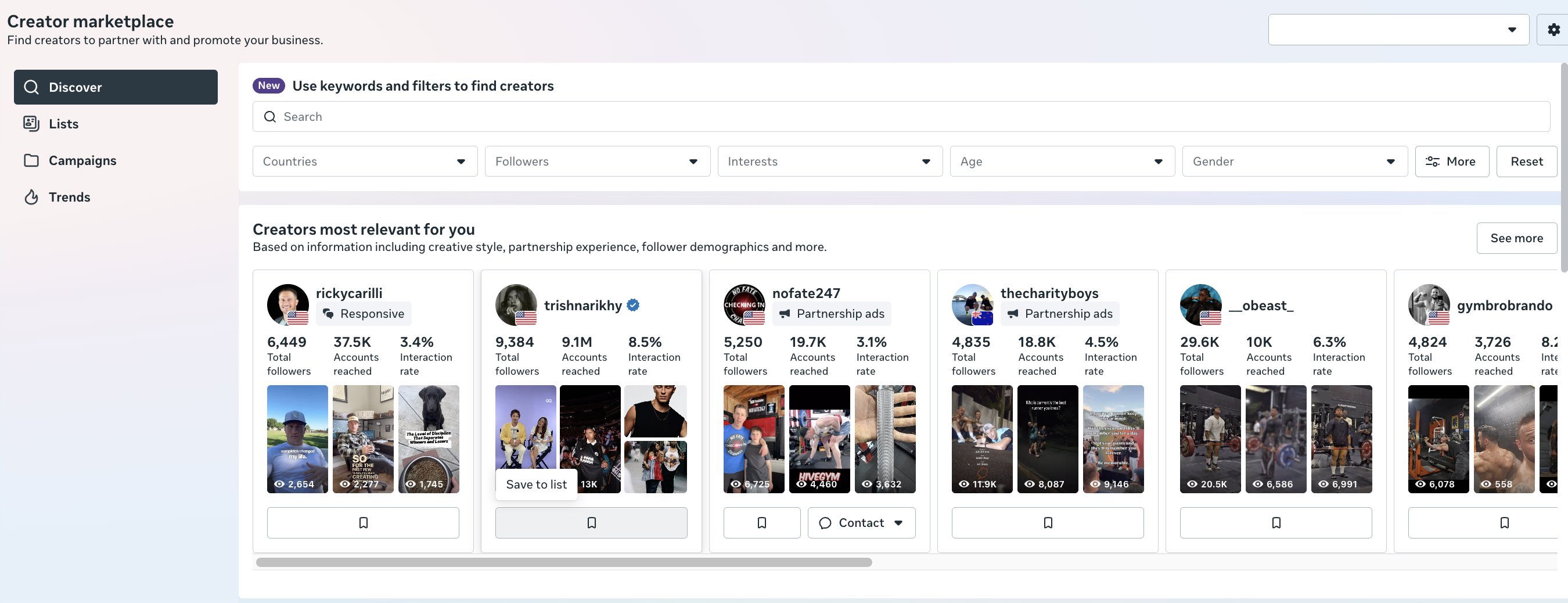
  4. Creative Strategy: Look at DTC and organic social trends for creative inspiration, and maintain a weekly testing cadence of 3–5 new variations to offset creative fatigue.

  5. Holistic Measurement: Combine platform data with self-reported attribution and CRM lagging indicators to prove true ROI.

1. Why B2B SaaS Brands Invest in Meta Ads

Meta ads work for B2B SaaS because decision-makers scroll Facebook and Instagram outside of work hours. The platform offers lower CPMs than LinkedIn, broad reach across professional demographics, and full-funnel capabilities from awareness through conversion.

Lower Cost Per Lead Than LinkedIn

LinkedIn's auction is crowded with B2B advertisers competing for the same professional audiences. On Meta, B2B competition is lighter, which means less bid pressure. Digital Applied's 2026 benchmarks put the conversion-objective CPM for B2B/SaaS advertisers on Meta at $16.41, versus a $37.55 average CPM for B2B SaaS on LinkedIn—roughly 2–3x cheaper reach.

Massive B2B Market

Executives, founders, and operators don't disappear when they leave work. They scroll Instagram during lunch and check Facebook in the evening. Meta's 3.58 billion daily active users cover nearly every professional demographic. The key difference from LinkedIn: you're reaching buyers in a relaxed context rather than a work mindset.

Full-Funnel Capabilities From Awareness to Conversion

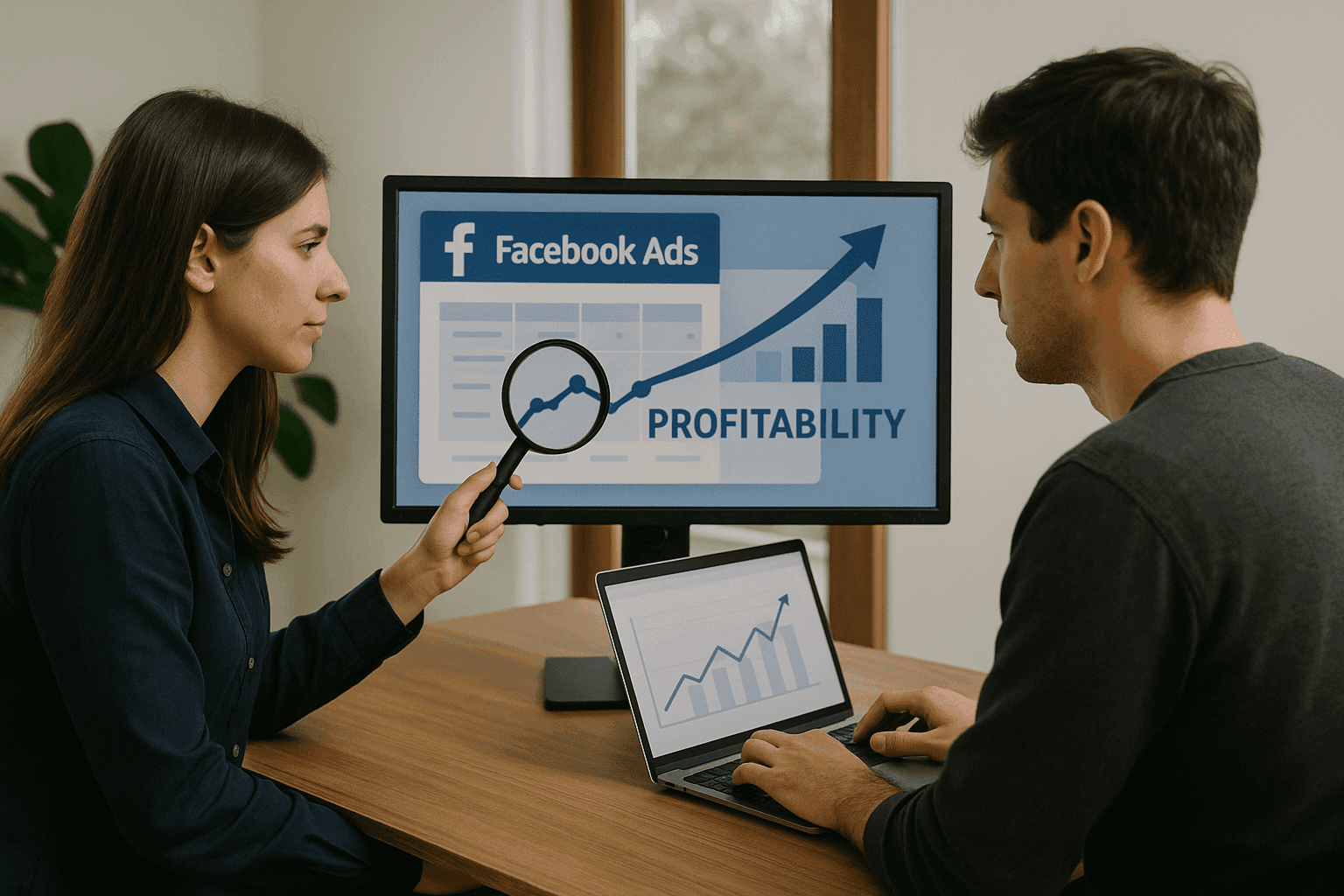
Meta is often dismissed as a top-of-funnel awareness platform. That's a misread. When campaigns optimize for downstream events like demo requests, free trial signups, or qualified leads, Meta can drive real pipeline. The key is structuring a profitable Meta ads strategy that optimizes for conversion events that matter to your business rather than vanity metrics like impressions or clicks.

2. What to Expect From a Profitable Meta Ads Strategy for B2B SaaS

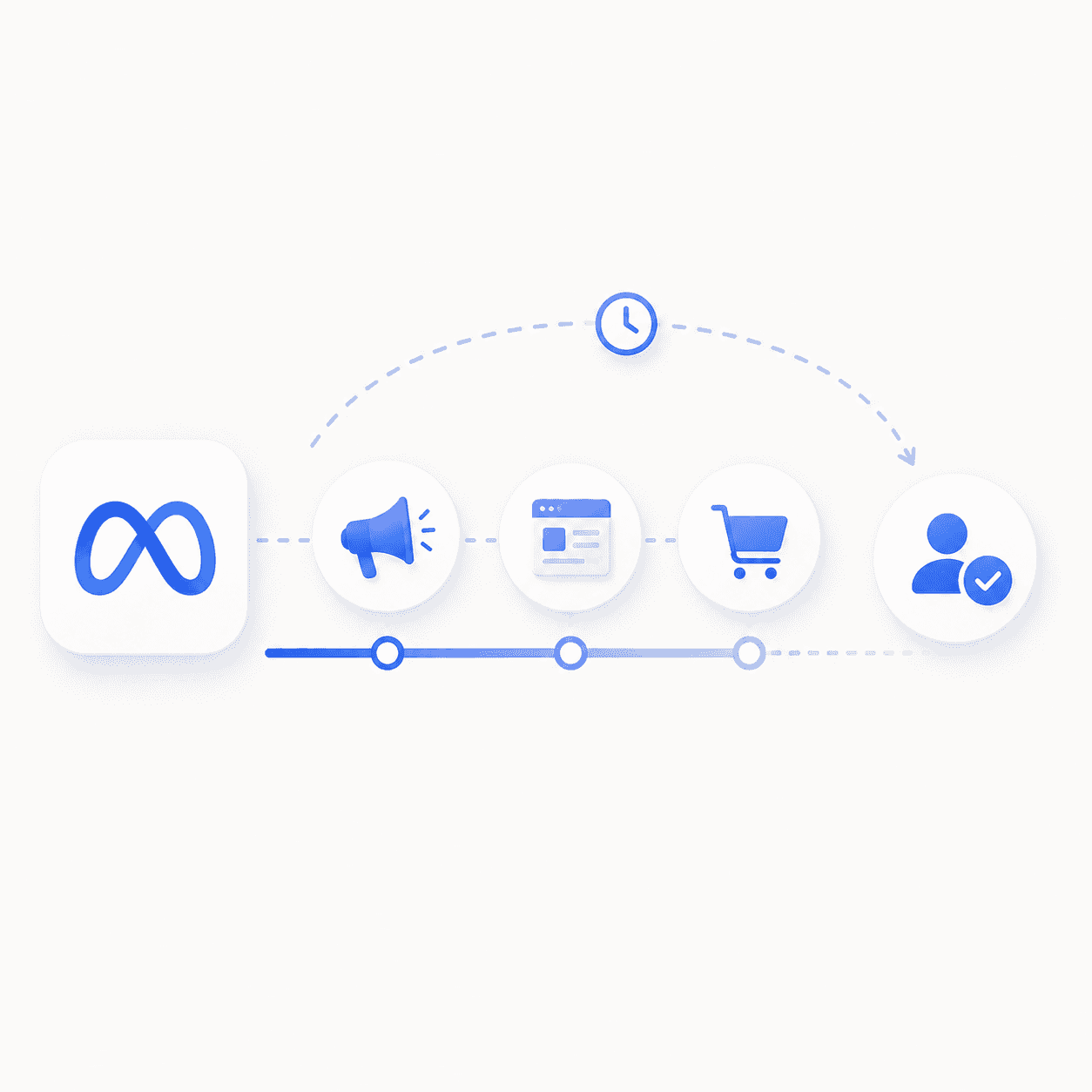
B2B buying cycles are longer and involve multiple stakeholders. Expect weeks or months between a click and a closed deal. Meta frequently influences deals that get attributed to other channels. Brand exposure compounds over time even when conversions aren't immediately measurable.

Performance evaluation combines platform data, CRM attribution, and survey insights. Relying on Meta's dashboard alone will undercount impact significantly.

3. How to Structure Your B2B SaaS Meta Campaign

Most B2B SaaS Meta accounts fail not because of creative but because campaigns optimize for the wrong signals. The goal is feeding Meta the highest-quality conversion data possible so the algorithm finds prospects that resemble your best customers.

Optimize Campaigns for Qualified Pipeline Events

One of the most common mistakes is optimizing for top-of-funnel leads only. This approach is similar to an e-commerce brand optimizing for "Add to Cart" instead of Purchases. Meta performs best when it optimizes toward lower-funnel events tied to revenue:

  • Sales Qualified Leads (SQLs): Leads your sales team has vetted and accepted

  • Opportunity creation: When a lead enters your pipeline as a real deal

  • Qualified demo bookings: Actual scheduled calls, not just form fills

  • Closed-won deals: The ultimate signal of customer quality

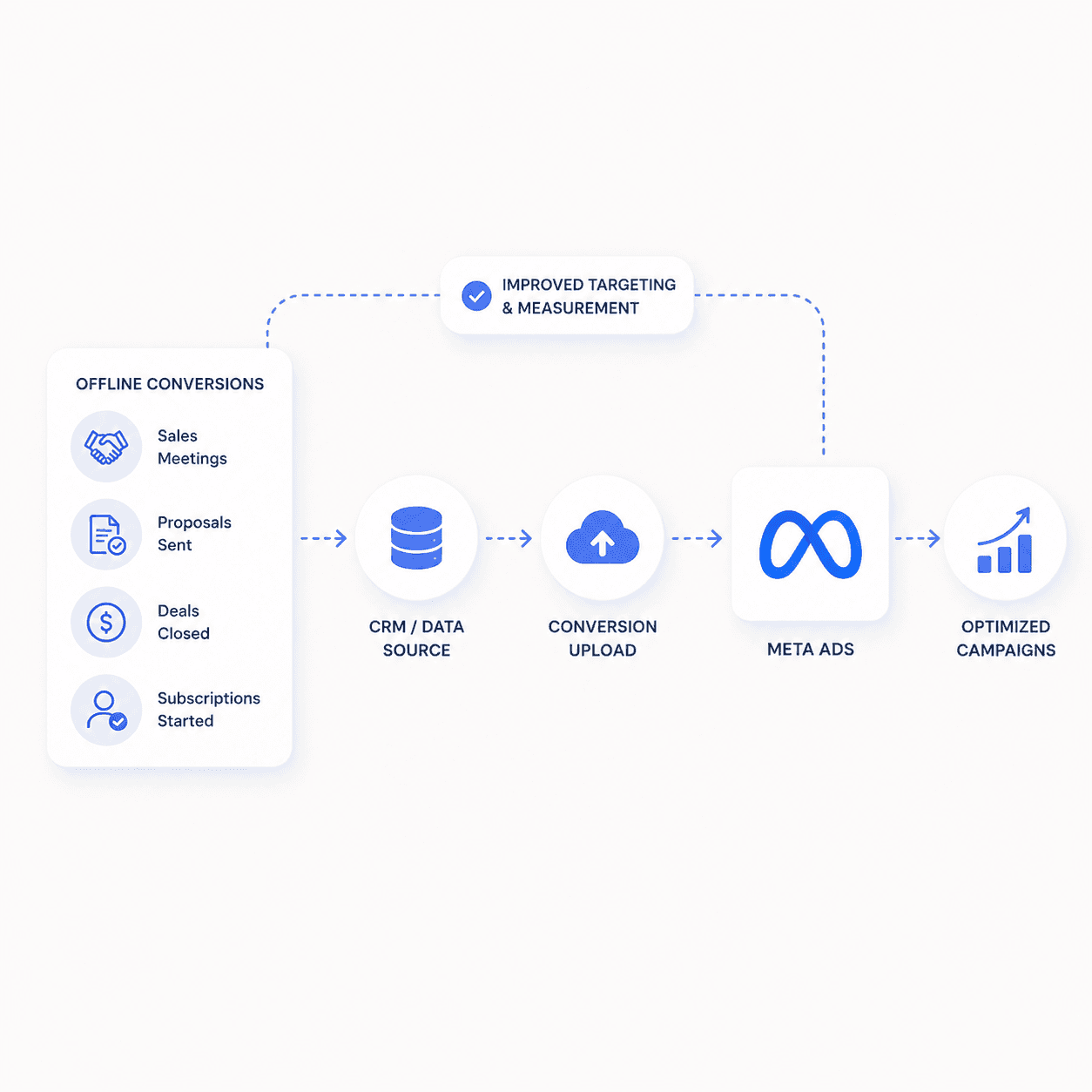
To enable this, integrate your CRM with Meta and send downstream events back as offline conversions. When a lead becomes an SQL in HubSpot or Salesforce, that event fires to Meta. The algorithm then learns which users convert into qualified opportunities, shifting optimization from cheap leads to real pipeline.

Match Your Conversion Events to Your Motion: Demo vs. Self-Serve Signup

Every SaaS client should have two conversion events minimum: a Lead Event and a Qualified Lead Event. The specific events depend on your go-to-market motion.

Demo-led motion (sales-assisted):

  • Fire "Booked Demo" as the Lead Event

  • Fire "Qualified Lead" when the lead meets your qualification criteria (e.g., verified company size, revenue threshold, or scheduled call completed)

  • Send both events via CAPI to maximize match rates

Self-serve / PLG motion:

  • Fire "Trial Started" or "Signup" as the Lead Event

  • Fire a downstream Qualified Event at an activation milestone (e.g., completed onboarding, used a core feature, or converted to paid)

  • This two-event structure trains Meta to find users who convert and activate

Do not optimize toward all form submissions. Conditional event firing that only counts qualified leads avoids wasting budget on low-intent traffic.

Increase Event Signal Volume With the Conversions API

Accurate tracking is critical for Meta's optimization system. Many B2B companies rely only on browser-side tracking, but ad blockers and browser restrictions reduce signal quality significantly.

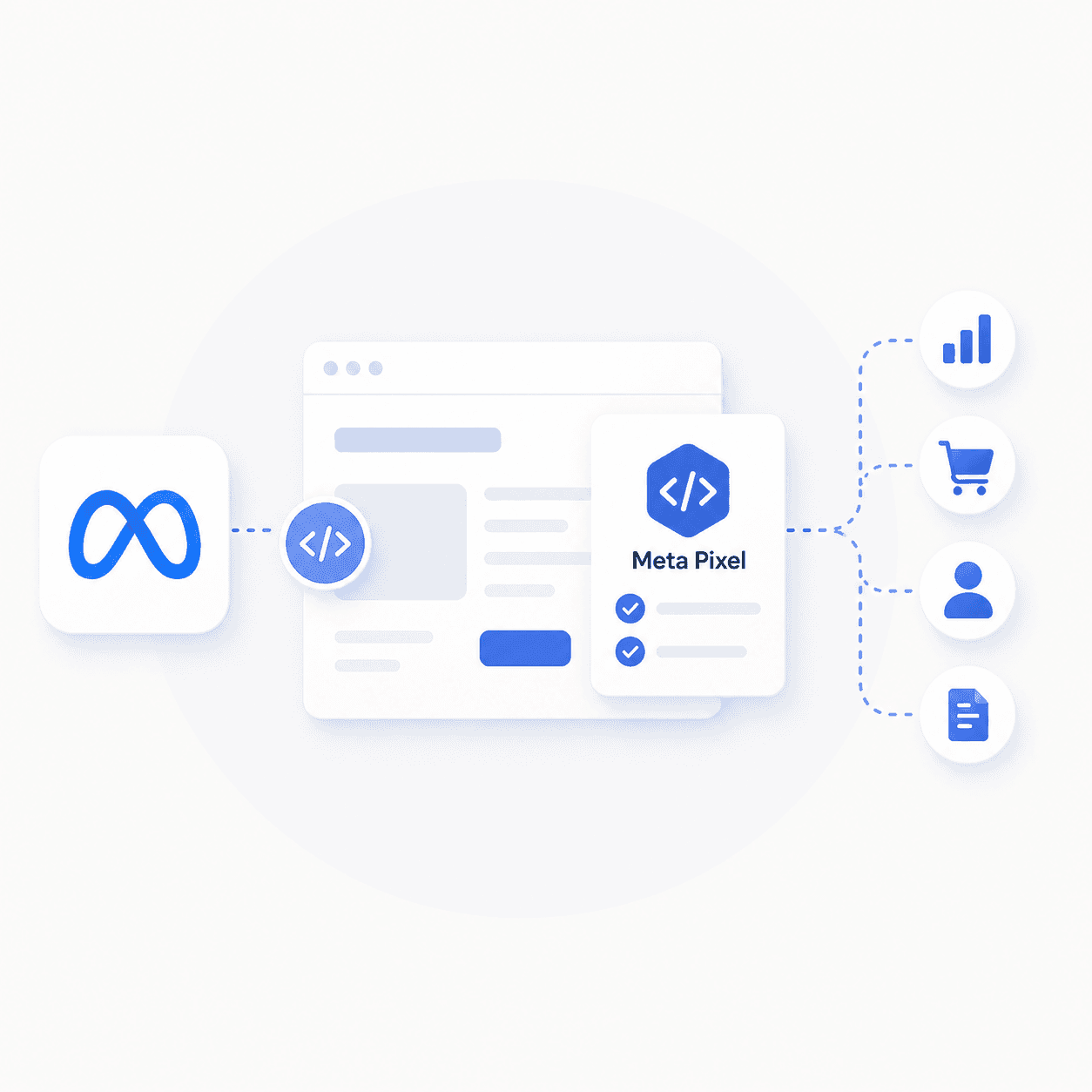
Implementing Meta's Conversions API (CAPI) alongside browser tracking restores lost signal and increases event match rates. CAPI sends conversion data directly from your server to Meta, bypassing browser limitations entirely.

Fire Conversion Events Only for Qualified Leads

Not every lead deserves to count as a conversion. If Meta optimizes toward all form submissions, it will find the cheapest, lowest-intent leads available.

A better approach is conditional event firing, where conversion signals only trigger for qualified prospects. For example, you might only fire a conversion when a lead reports company revenue above a certain threshold, comes from a specific industry, or actually books a demo rather than just submitting a form.

4. How to Target B2B Decision-Makers on Meta

Targeting B2B buyers on Meta requires combining multiple signals. Meta identifies users through personal identity data rather than professional identity data, so successful B2B targeting layers several approaches together.

Interest and Behavior Targeting for B2B Audiences

Interest targeting can help identify potential B2B audiences through categories like industry publications, business tools, entrepreneurship interests, and technology categories. However, interests are broad directional signals rather than precise targeting mechanisms. They work best when combined with other audience signals.

CRM-Based Custom Audiences

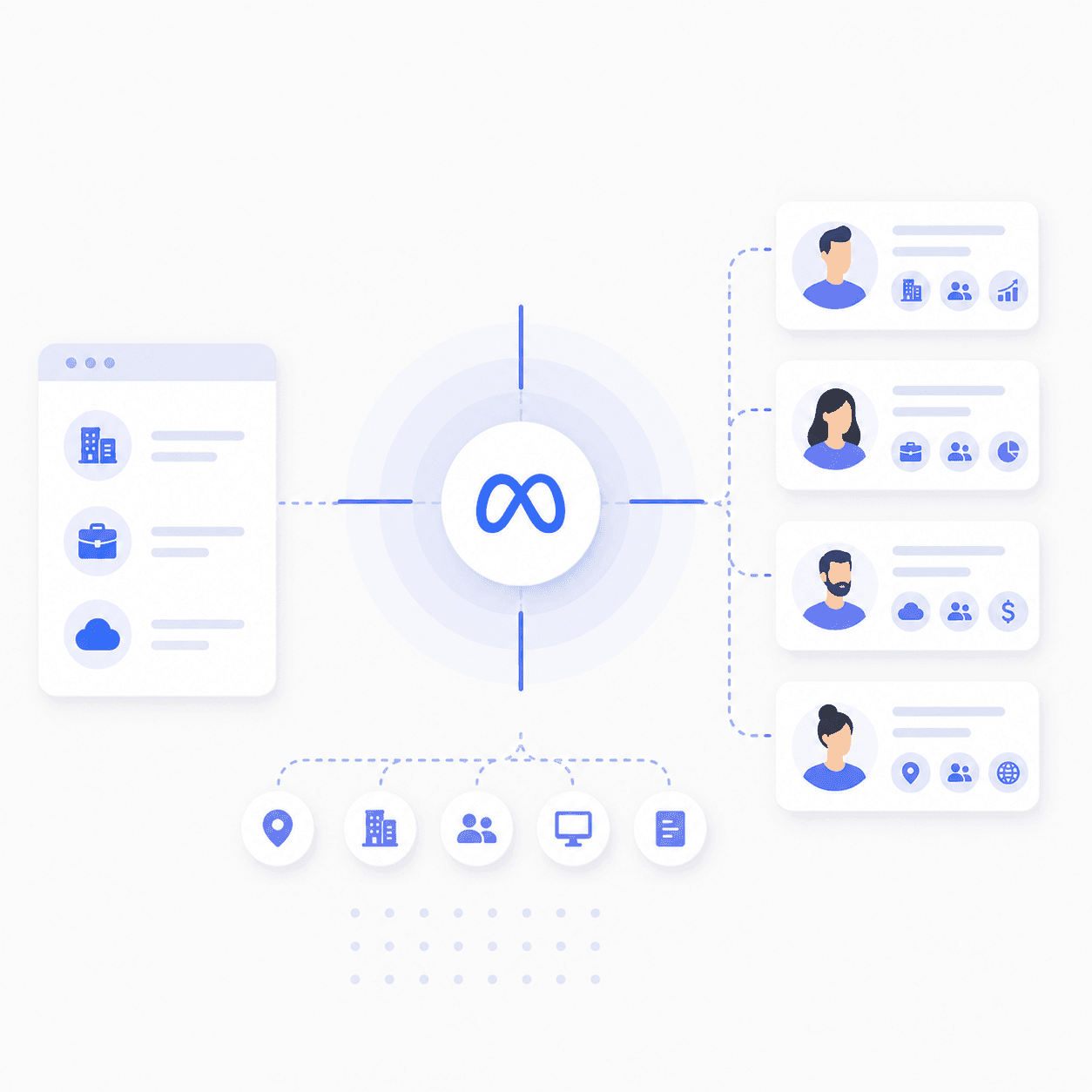
One of the highest-impact targeting approaches uses your first-party CRM data. You can upload lists of customers, qualified leads, opportunities, and closed-won accounts directly to Meta.

These lists allow you to:

  • Retarget warm prospects who already know your brand

  • Train Meta's algorithm on ideal customer profiles

  • Build stronger lookalike audiences based on real buyers

Improving Lookalike Audiences With Personal Email Matching

Many B2B marketers build lookalike audiences using lead lists from enrichment tools like Apollo. The problem is that these lists contain work email addresses, while most Meta accounts link to personal emails. This mismatch leads to poor match rates.

A better approach is enriching CRM data with tools like Clay, which can match work emails to associated personal emails. This significantly increases match rates and allows Meta to build stronger lookalikes based on real customers.

Layering Third-Party B2B Audience Data

Some B2B audiences are difficult to reach using Meta's native targeting alone. Platforms like Metadata and Perch help identify and target specific professional cohorts that are otherwise hard to isolate inside Meta.

Offers and lead magnets for B2B SaaS

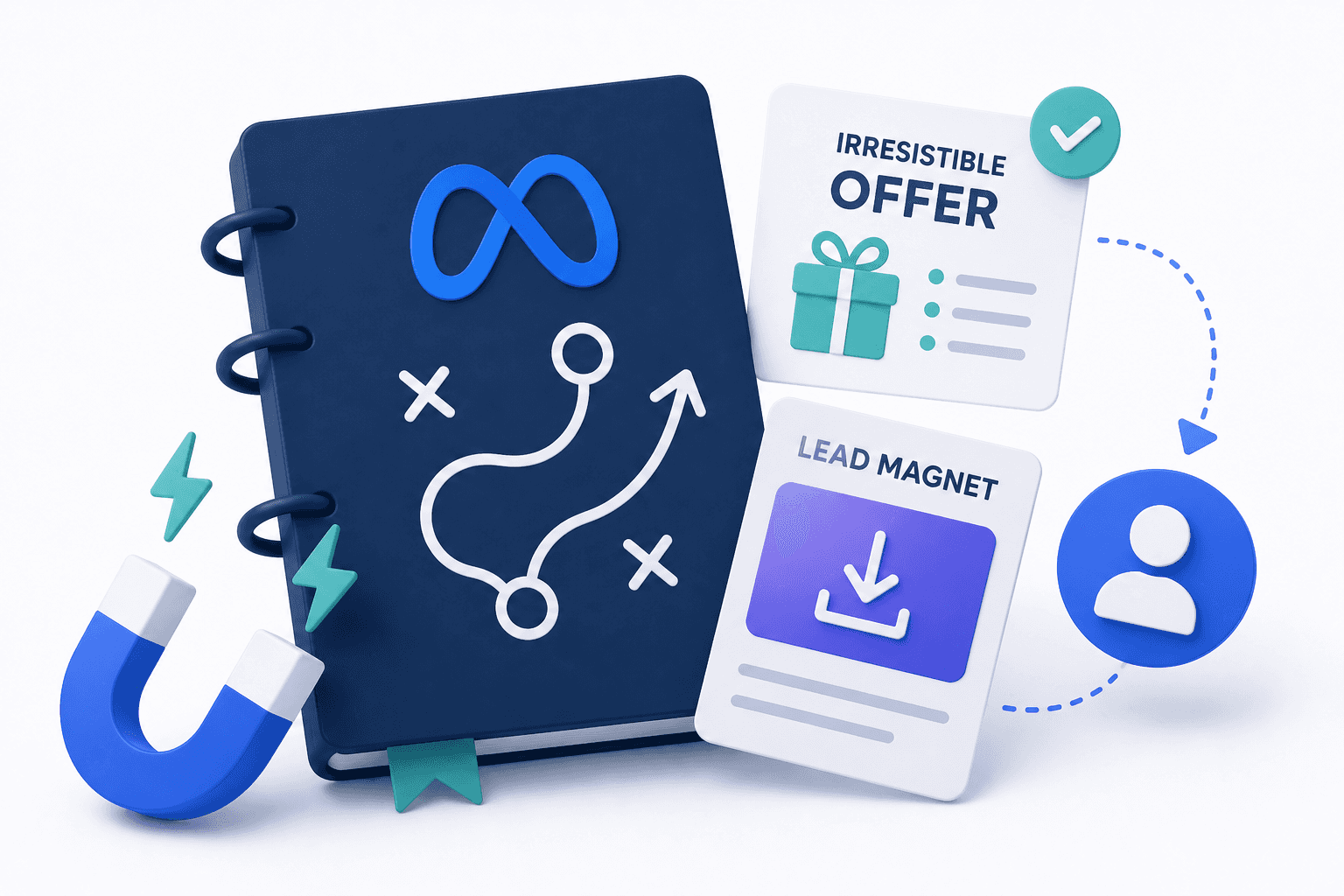
Your offer is the single biggest lever on lead quality. What you ask someone to do in the ad decides who raises their hand, so treat the offer as a strategic choice, not an afterthought. On Meta, a lower-friction offer produces more leads at a lower cost per lead, and a higher-intent offer produces fewer leads that are far more likely to become pipeline. Neither is automatically right; the correct offer depends on what stage of the funnel you are trying to fill.

Think of your offers as a ladder, from low commitment to high commitment:

Low-intent (top of funnel): benchmark reports, industry data, templates, checklists, teardowns, and webinars. These capture demand from people who are not ready to talk to sales but are a fit for your product.

Mid-intent: ROI calculators, assessments, and interactive tools that tie directly to the problem your software solves. These self-qualify better because using them signals real intent.

High-intent (bottom of funnel): demo requests, free trials, and pricing or consultation offers. Fewer leads, higher cost per lead, but the ones you get are close to a buying decision.

A few principles that keep B2B SaaS offers profitable on Meta:

Match the offer to the funnel stage you are filling. If your pipeline needs demos, do not run a template download and hope those leads convert. Run the demo offer and accept the higher cost per lead.

Qualify inside the offer, not after it. Add a qualifying question or two to the form (company size, role, use case) so sales is not sorting through unqualified submissions. A slightly higher cost per lead is worth a much higher qualified rate.

Make the lead magnet genuinely useful. The best-performing B2B SaaS lead magnets give away something a prospect would have paid for or built themselves, a real benchmark, a working template, or a calculator that produces a specific answer.

Optimize for the SQL, not the form fill. A cheap lead that never becomes an opportunity is expensive. Feed qualified-lead and pipeline events back to Meta so the algorithm learns to find buyers, not form-fillers.

5. What Ad Creative Converts for B2B SaaS on Meta

Creative is the variable that determines success or failure. Even in B2B advertising, Meta rewards scroll-stopping, human creative rather than corporate messaging.

Lead With the Problem Your Software Solves

Use a problem-agitation-solution framework in your ads. The hook highlights the pain point your product solves rather than the feature set. Call out a frustrating workflow, highlight the inefficiency, then introduce the software as the solution.

Use Clear and Human Messaging

B2B messaging works best when it feels conversational. Avoid corporate jargon and write in the same language prospects use when describing their problems to colleagues.

Test Multiple Ad Formats

Format

Best Use Case

Static images

Fast to produce, ideal for message testing

Video

Higher engagement, useful for demos or testimonials

Carousel

Feature breakdowns or product walkthroughs

UGC-style ads

Authentic content that performs well in crowded feeds

The Weekly Creative Testing System

Scaling Meta campaigns requires a structured creative testing cadence.

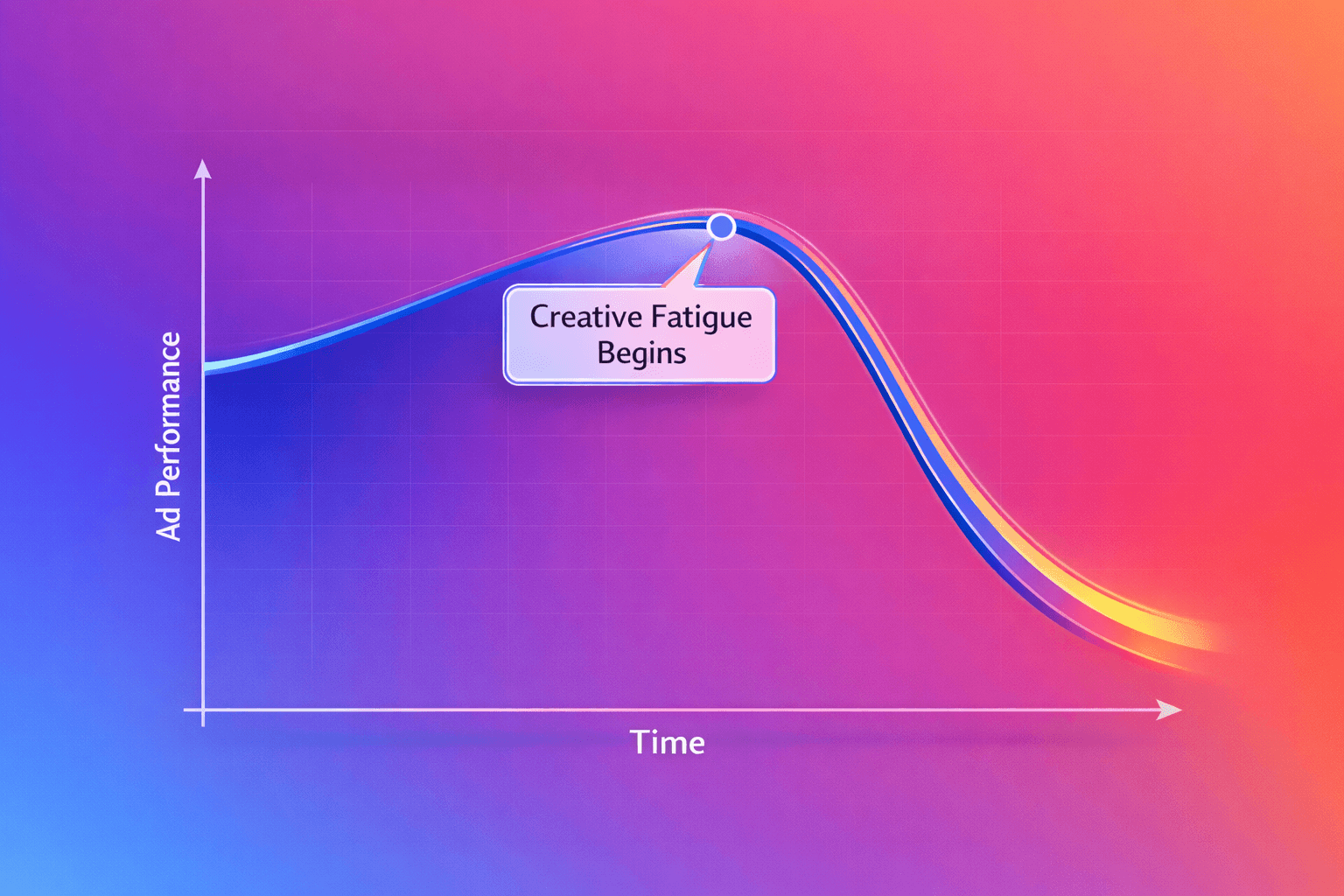
Run concept tests to try entirely new messaging angles, and iteration tests to improve winning concepts. Creative fatigue is often the primary scaling bottleneck. Aim for 3–5 new creative variations per week when spending at scale.

6. Why Landing Pages Determine Meta Ad Profitability

The ad is only half the conversion equation. The post-click experience determines whether traffic becomes leads and pipeline.

Landing Page Elements That Drive Demo Conversions

To see what B2B SaaS landing pages need to convert, focus on these elements:

  • 1:1 message match: The headline must reflect the promise made in the ad. Generic landing pages waste ad spend.

  • Mobile-first design: Most Meta traffic comes from phones. Pages need to load in under 3 seconds and render cleanly.

  • Single clear action: One primary CTA, not competing links.

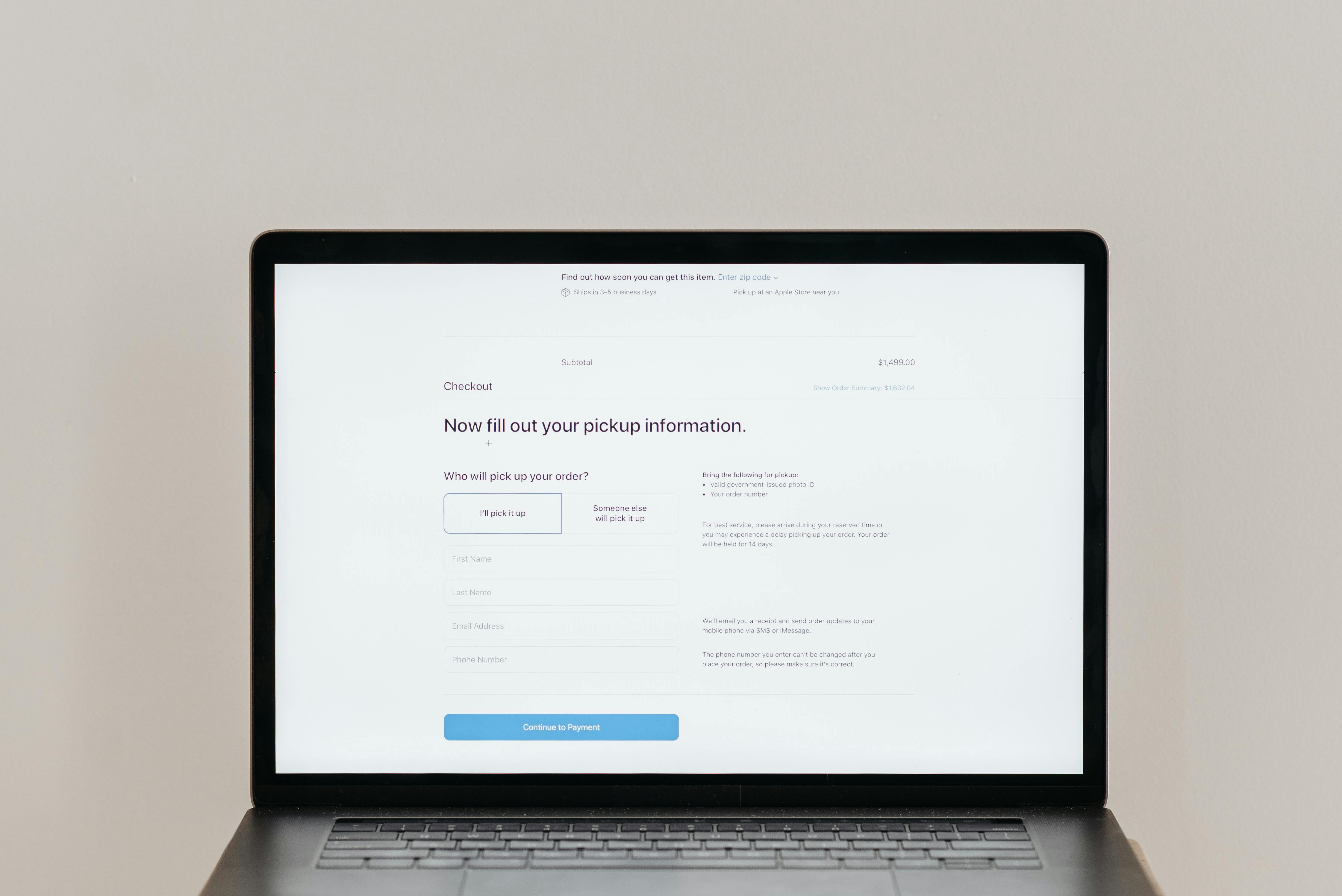
  • Minimal form friction: Shorter forms convert better. Only ask for fields you need to qualify.

  • Social proof: Logos, testimonials, or case study snippets build trust.

  • Qualifying form fields: Include fields that feed your Qualified Lead event (e.g., company size, revenue). This lets you fire conditional conversions and trains Meta to find better prospects.

For a self-serve motion, the post-click path is a frictionless signup flow rather than a demo form. Remove unnecessary fields and prioritize speed to first value.

Testing Landing Pages on Isolated Meta Traffic

Build a dedicated landing-page variant on an unused URL. Swap the content, not the URL itself. Isolate Meta traffic to this variant, A/B test against the current page, and judge on the difference in cost per qualified lead. This method isolates Meta-specific performance from other traffic sources.

Most B2B marketers dismiss Meta ads because they assume decision-makers only exist on LinkedIn. That assumption is costing them cheaper leads and faster scale.

Meta's lower CPM (cost per 1,000 impressions), massive reach, and sophistication with qualified lead targeting make it one of the most underutilized growth channels in B2B SaaS. This guide covers how to structure campaigns for qualified pipeline, target business buyers effectively, and build the creative and landing page systems that turn Meta traffic into revenue.

This guide focuses specifically on Meta Ads strategies for B2B SaaS brands. For a broader overview of Meta Ads strategies across industries, see our Meta Ads Strategy 2026 guide.

Key Takeaways

  1. Cost Efficiency: Meta Ads often provide CPMs 2–3x lower than LinkedIn, making it a highly scalable channel for B2B SaaS.

  2. Signal Quality: Success depends on optimizing for downstream CRM events (SQLs and Opportunities) or conditional lead events.

  3. Data Infrastructure: Implementing Meta's Conversions API (CAPI) and enriching CRM data with personal emails is essential for high match rates.

  4. Creative Strategy: Look at DTC and organic social trends for creative inspiration, and maintain a weekly testing cadence of 3–5 new variations to offset creative fatigue.

  5. Holistic Measurement: Combine platform data with self-reported attribution and CRM lagging indicators to prove true ROI.

1. Why B2B SaaS Brands Invest in Meta Ads

Meta ads work for B2B SaaS because decision-makers scroll Facebook and Instagram outside of work hours. The platform offers lower CPMs than LinkedIn, broad reach across professional demographics, and full-funnel capabilities from awareness through conversion.

Lower Cost Per Lead Than LinkedIn

LinkedIn's auction is crowded with B2B advertisers competing for the same professional audiences. On Meta, B2B competition is lighter, which means less bid pressure. Digital Applied's 2026 benchmarks put the conversion-objective CPM for B2B/SaaS advertisers on Meta at $16.41, versus a $37.55 average CPM for B2B SaaS on LinkedIn—roughly 2–3x cheaper reach.

Massive B2B Market

Executives, founders, and operators don't disappear when they leave work. They scroll Instagram during lunch and check Facebook in the evening. Meta's 3.58 billion daily active users cover nearly every professional demographic. The key difference from LinkedIn: you're reaching buyers in a relaxed context rather than a work mindset.

Full-Funnel Capabilities From Awareness to Conversion

Meta is often dismissed as a top-of-funnel awareness platform. That's a misread. When campaigns optimize for downstream events like demo requests, free trial signups, or qualified leads, Meta can drive real pipeline. The key is structuring a profitable Meta ads strategy that optimizes for conversion events that matter to your business rather than vanity metrics like impressions or clicks.

2. What to Expect From a Profitable Meta Ads Strategy for B2B SaaS

B2B buying cycles are longer and involve multiple stakeholders. Expect weeks or months between a click and a closed deal. Meta frequently influences deals that get attributed to other channels. Brand exposure compounds over time even when conversions aren't immediately measurable.

Performance evaluation combines platform data, CRM attribution, and survey insights. Relying on Meta's dashboard alone will undercount impact significantly.

3. How to Structure Your B2B SaaS Meta Campaign

Most B2B SaaS Meta accounts fail not because of creative but because campaigns optimize for the wrong signals. The goal is feeding Meta the highest-quality conversion data possible so the algorithm finds prospects that resemble your best customers.

Optimize Campaigns for Qualified Pipeline Events

One of the most common mistakes is optimizing for top-of-funnel leads only. This approach is similar to an e-commerce brand optimizing for "Add to Cart" instead of Purchases. Meta performs best when it optimizes toward lower-funnel events tied to revenue:

  • Sales Qualified Leads (SQLs): Leads your sales team has vetted and accepted

  • Opportunity creation: When a lead enters your pipeline as a real deal

  • Qualified demo bookings: Actual scheduled calls, not just form fills

  • Closed-won deals: The ultimate signal of customer quality

To enable this, integrate your CRM with Meta and send downstream events back as offline conversions. When a lead becomes an SQL in HubSpot or Salesforce, that event fires to Meta. The algorithm then learns which users convert into qualified opportunities, shifting optimization from cheap leads to real pipeline.

Match Your Conversion Events to Your Motion: Demo vs. Self-Serve Signup

Every SaaS client should have two conversion events minimum: a Lead Event and a Qualified Lead Event. The specific events depend on your go-to-market motion.

Demo-led motion (sales-assisted):

  • Fire "Booked Demo" as the Lead Event

  • Fire "Qualified Lead" when the lead meets your qualification criteria (e.g., verified company size, revenue threshold, or scheduled call completed)

  • Send both events via CAPI to maximize match rates

Self-serve / PLG motion:

  • Fire "Trial Started" or "Signup" as the Lead Event

  • Fire a downstream Qualified Event at an activation milestone (e.g., completed onboarding, used a core feature, or converted to paid)

  • This two-event structure trains Meta to find users who convert and activate

Do not optimize toward all form submissions. Conditional event firing that only counts qualified leads avoids wasting budget on low-intent traffic.

Increase Event Signal Volume With the Conversions API

Accurate tracking is critical for Meta's optimization system. Many B2B companies rely only on browser-side tracking, but ad blockers and browser restrictions reduce signal quality significantly.

Implementing Meta's Conversions API (CAPI) alongside browser tracking restores lost signal and increases event match rates. CAPI sends conversion data directly from your server to Meta, bypassing browser limitations entirely.

Fire Conversion Events Only for Qualified Leads

Not every lead deserves to count as a conversion. If Meta optimizes toward all form submissions, it will find the cheapest, lowest-intent leads available.

A better approach is conditional event firing, where conversion signals only trigger for qualified prospects. For example, you might only fire a conversion when a lead reports company revenue above a certain threshold, comes from a specific industry, or actually books a demo rather than just submitting a form.

4. How to Target B2B Decision-Makers on Meta

Targeting B2B buyers on Meta requires combining multiple signals. Meta identifies users through personal identity data rather than professional identity data, so successful B2B targeting layers several approaches together.

Interest and Behavior Targeting for B2B Audiences

Interest targeting can help identify potential B2B audiences through categories like industry publications, business tools, entrepreneurship interests, and technology categories. However, interests are broad directional signals rather than precise targeting mechanisms. They work best when combined with other audience signals.

CRM-Based Custom Audiences

One of the highest-impact targeting approaches uses your first-party CRM data. You can upload lists of customers, qualified leads, opportunities, and closed-won accounts directly to Meta.

These lists allow you to:

  • Retarget warm prospects who already know your brand

  • Train Meta's algorithm on ideal customer profiles

  • Build stronger lookalike audiences based on real buyers

Improving Lookalike Audiences With Personal Email Matching

Many B2B marketers build lookalike audiences using lead lists from enrichment tools like Apollo. The problem is that these lists contain work email addresses, while most Meta accounts link to personal emails. This mismatch leads to poor match rates.

A better approach is enriching CRM data with tools like Clay, which can match work emails to associated personal emails. This significantly increases match rates and allows Meta to build stronger lookalikes based on real customers.

Layering Third-Party B2B Audience Data

Some B2B audiences are difficult to reach using Meta's native targeting alone. Platforms like Metadata and Perch help identify and target specific professional cohorts that are otherwise hard to isolate inside Meta.

Offers and lead magnets for B2B SaaS

Your offer is the single biggest lever on lead quality. What you ask someone to do in the ad decides who raises their hand, so treat the offer as a strategic choice, not an afterthought. On Meta, a lower-friction offer produces more leads at a lower cost per lead, and a higher-intent offer produces fewer leads that are far more likely to become pipeline. Neither is automatically right; the correct offer depends on what stage of the funnel you are trying to fill.

Think of your offers as a ladder, from low commitment to high commitment:

Low-intent (top of funnel): benchmark reports, industry data, templates, checklists, teardowns, and webinars. These capture demand from people who are not ready to talk to sales but are a fit for your product.

Mid-intent: ROI calculators, assessments, and interactive tools that tie directly to the problem your software solves. These self-qualify better because using them signals real intent.

High-intent (bottom of funnel): demo requests, free trials, and pricing or consultation offers. Fewer leads, higher cost per lead, but the ones you get are close to a buying decision.

A few principles that keep B2B SaaS offers profitable on Meta:

Match the offer to the funnel stage you are filling. If your pipeline needs demos, do not run a template download and hope those leads convert. Run the demo offer and accept the higher cost per lead.

Qualify inside the offer, not after it. Add a qualifying question or two to the form (company size, role, use case) so sales is not sorting through unqualified submissions. A slightly higher cost per lead is worth a much higher qualified rate.

Make the lead magnet genuinely useful. The best-performing B2B SaaS lead magnets give away something a prospect would have paid for or built themselves, a real benchmark, a working template, or a calculator that produces a specific answer.

Optimize for the SQL, not the form fill. A cheap lead that never becomes an opportunity is expensive. Feed qualified-lead and pipeline events back to Meta so the algorithm learns to find buyers, not form-fillers.

5. What Ad Creative Converts for B2B SaaS on Meta

Creative is the variable that determines success or failure. Even in B2B advertising, Meta rewards scroll-stopping, human creative rather than corporate messaging.

Lead With the Problem Your Software Solves

Use a problem-agitation-solution framework in your ads. The hook highlights the pain point your product solves rather than the feature set. Call out a frustrating workflow, highlight the inefficiency, then introduce the software as the solution.

Use Clear and Human Messaging

B2B messaging works best when it feels conversational. Avoid corporate jargon and write in the same language prospects use when describing their problems to colleagues.

Test Multiple Ad Formats

Format

Best Use Case

Static images

Fast to produce, ideal for message testing

Video

Higher engagement, useful for demos or testimonials

Carousel

Feature breakdowns or product walkthroughs

UGC-style ads

Authentic content that performs well in crowded feeds

The Weekly Creative Testing System

Scaling Meta campaigns requires a structured creative testing cadence.

Run concept tests to try entirely new messaging angles, and iteration tests to improve winning concepts. Creative fatigue is often the primary scaling bottleneck. Aim for 3–5 new creative variations per week when spending at scale.

6. Why Landing Pages Determine Meta Ad Profitability

The ad is only half the conversion equation. The post-click experience determines whether traffic becomes leads and pipeline.

Landing Page Elements That Drive Demo Conversions

To see what B2B SaaS landing pages need to convert, focus on these elements:

  • 1:1 message match: The headline must reflect the promise made in the ad. Generic landing pages waste ad spend.

  • Mobile-first design: Most Meta traffic comes from phones. Pages need to load in under 3 seconds and render cleanly.

  • Single clear action: One primary CTA, not competing links.

  • Minimal form friction: Shorter forms convert better. Only ask for fields you need to qualify.

  • Social proof: Logos, testimonials, or case study snippets build trust.

  • Qualifying form fields: Include fields that feed your Qualified Lead event (e.g., company size, revenue). This lets you fire conditional conversions and trains Meta to find better prospects.

For a self-serve motion, the post-click path is a frictionless signup flow rather than a demo form. Remove unnecessary fields and prioritize speed to first value.

Testing Landing Pages on Isolated Meta Traffic

Build a dedicated landing-page variant on an unused URL. Swap the content, not the URL itself. Isolate Meta traffic to this variant, A/B test against the current page, and judge on the difference in cost per qualified lead. This method isolates Meta-specific performance from other traffic sources.

7. Using Meta Ads for Launches and Repositioning

Meta excels at building awareness for new products and entering new markets. The same infrastructure that drives steady-state pipeline can accelerate launches and repositioning.

Product Launches

Launching a B2B SaaS product on Meta follows a 30/60/90-day launch plan:

  • Days 1–30: Build top-of-funnel awareness with upper-funnel reach campaigns. Allocate ~3–5% of budget to reach campaigns optimizing for Reach.

  • Days 31–60: Layer in conversion campaigns targeting demo bookings or trial signups. Use the qualified-lead events from your CRM.

  • Days 61–90: Scale conversion campaigns while monitoring cost per qualified lead. Pause upper-funnel campaigns if conversion campaigns can spend efficiently.

Monitor First-Time Impression Rate (FTIR = Reach ÷ Impressions). Target 40–50%+ for B2B SaaS to confirm you're reaching new people rather than re-serving the same users. Flighted has launched B2B SaaS products on Meta from zero 25+ times using this framework.

Rebrands and Repositioning

When rebranding or repositioning (e.g., entering a new market or moving up-market), rebuild top-of-funnel recognition:

  • Run upper-funnel reach campaigns with a fresh persona–pain-point messaging matrix

  • Exclude existing/known audiences so delivery pushes net-new reach

  • Watch FTIR to confirm you're reaching new people rather than re-serving the same users

This approach prevents ad spend from recirculating to your existing audience while you're trying to reach a new one.

Looking for Advanced Meta Ads Support?

Flighted brings Paid Media Expertise (with Meta Ads as our core specialty), Creative Strategy, and Landing Page Design together as one interdependent system. These three pillars work together—not as separate add-ons—to drive pipeline and revenue.

Book a call and get a free Meta audit today.

Get In Touch

8. How to Measure B2B SaaS Meta Ads Performance

Measurement is challenging in B2B due to long buying cycles. In the Content Marketing Institute's 2026 B2B research, 33% of B2B marketers named measuring content effectiveness one of their top three challenges. Successful advertisers combine Meta tracking, CRM data, and customer feedback signals.

Self-reported attribution provides insights that platform tracking misses. Many SaaS companies ask new customers "How did you hear about us?" Tools like Fairing capture these responses, which can feed back into Meta as conversion signals.

Leading indicators to track weekly:

Lagging indicators that prove ROI:

  • SQL volume from Meta

  • Opportunity creation

  • Pipeline value

  • Customer acquisition cost

  • Payback period

9. Where Meta Fits in Your B2B Paid Media Mix

Meta excels at demand generation, while search platforms capture existing demand. A typical paid media mix includes Google Search for demand capture, LinkedIn for high-intent B2B targeting, Meta for scalable demand generation, and Bing for incremental search coverage.

Multi-channel reinforcement improves overall conversion rates because prospects see your brand across multiple touchpoints before converting.

B2B SaaS Meta ads benchmarks

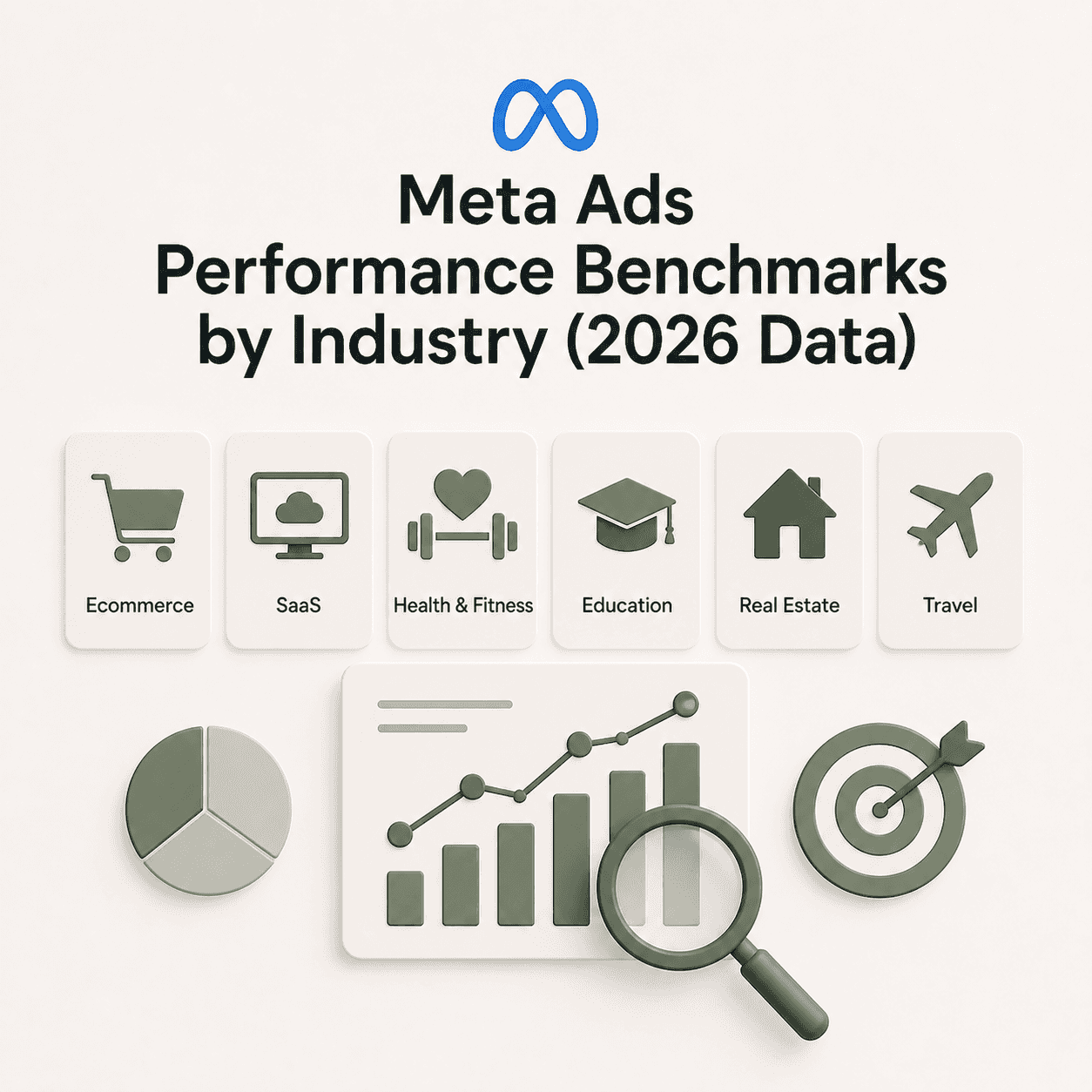
Benchmarks tell you whether your account is in a reasonable range, not what to do about the gap. Use the ranges below as a starting point, then calibrate against your own numbers and your revenue math.

What good looks like for B2B SaaS on Meta

Metric

B2B SaaS range

Notes

Cost per lead (standard)

~$40 to $80

Well above the all-industry lead average of roughly $28

Cost per MQL / SQL

~$150 to $350

Qualified leads cost far more, and are worth far more

Cost per demo request

~$80 to $300

Varies with offer, targeting, and category

Cost per free-trial signup

~$30 to $80

Lower-friction offers sit at the bottom of the range

Cost per click

~$2.00 to $6.50

Tech runs lower, broader B2B runs higher

Lead-form conversion rate

~6% to 8%

Instant Forms convert higher than landing pages

Blended ROAS / payback target

~1.5x to 4x

SaaS often lands near the low end; judge on pipeline, not first touch

Monthly budget to test

~$10,000+

Around 5-10 conversions per day is the floor to exit the learning phase

How to read these numbers above: these are practical ranges drawn from several published 2025-2026 lead-generation and SaaS benchmark studies, presented as bands because cost per lead and conversion rate move with your offer type, your lead definition, and how you optimize. For B2B SaaS specifically, a cheap lead is not the goal, so hold these against your own CAC-to-LTV math and your qualified-lead and pipeline rates rather than chasing the lowest cost per lead. For Flighted-managed accounts, we benchmark against our own SaaS client data.

10. Common B2B Meta Ads Mistakes to Avoid

  • Ignoring the post-click experience: Poor landing pages waste ad spend regardless of targeting or creative quality

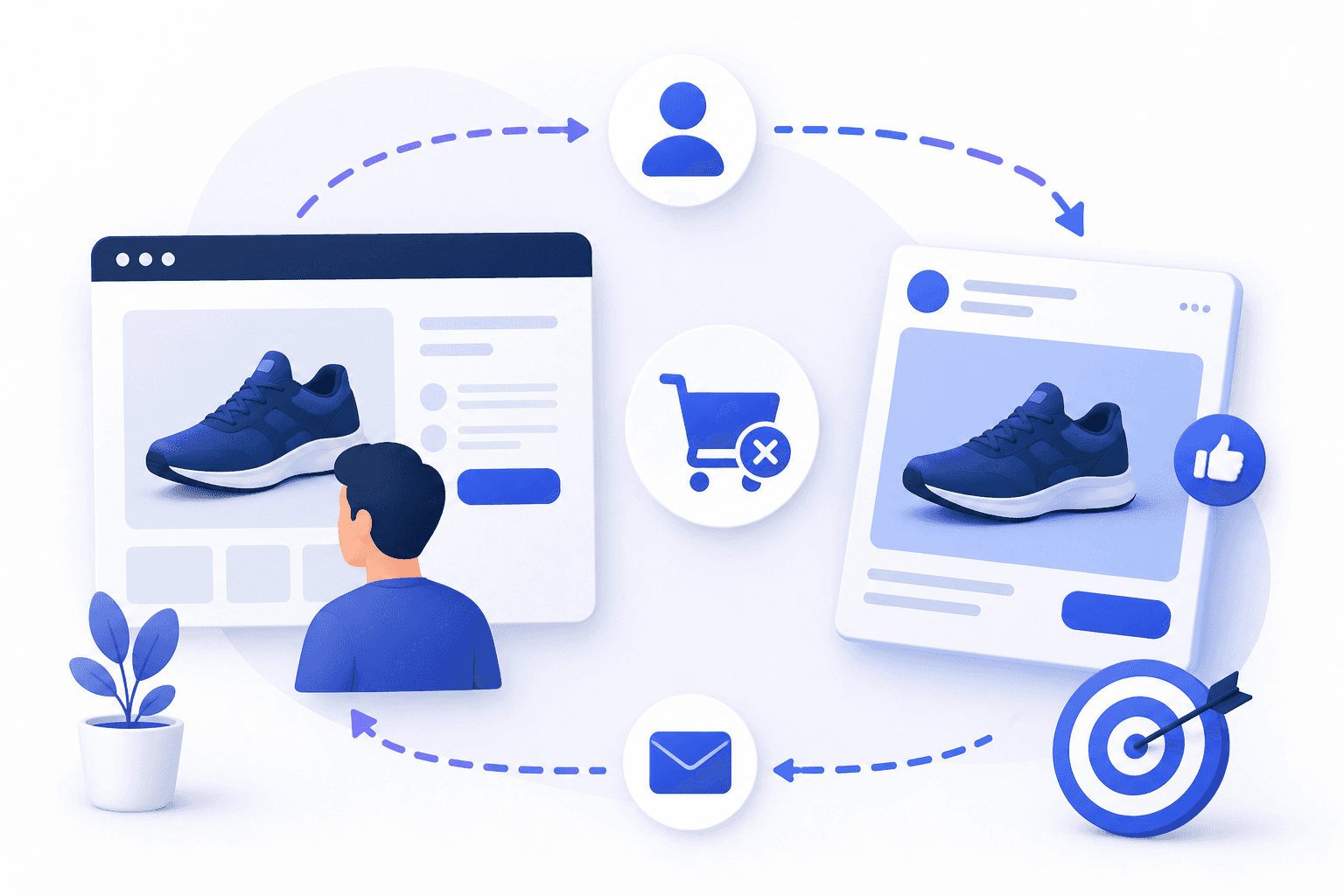
  • Running generic retargeting: Segment retargeting audiences based on intent signals rather than targeting all website visitors identically

  • Optimizing only for cheap leads: Optimizing for lead volume instead of downstream events leads to low-quality pipeline

  • Poor conversion tracking infrastructure: Relying only on browser tracking reduces signal quality significantly

  • Weak lookalike audiences from work emails: CRM lists using work emails often fail to match Meta accounts properly

11. How to Launch Your Profitable B2B SaaS Meta Ads Strategy

The core framework for a successful launch:

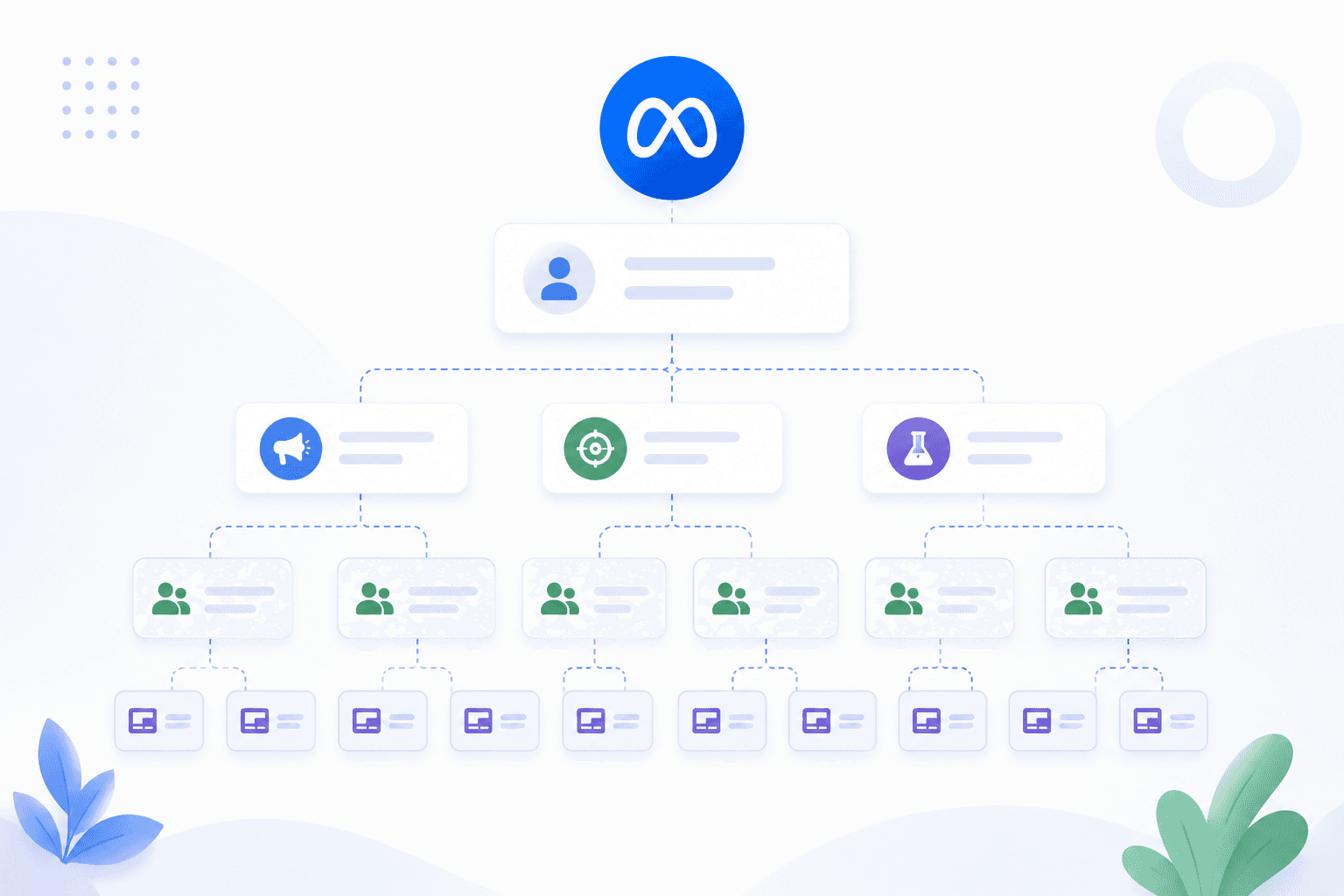
  • Simplified Structure: Consolidate campaigns to maximize algorithmic learning

  • Signal Infrastructure: Deploy CAPI and CRM offline conversion tracking

  • Targeting: Layer first-party CRM data with enriched personal email matching

  • Creative: Implement a structured weekly testing and iteration cadence

  • Landing Pages: Ensure 1:1 message match and mobile-first design

For companies looking to accelerate results, working with an experienced growth agency can significantly shorten the learning curve.

Book a call with Flighted to get a free audit of your current Meta setup.

FAQs About Meta Ads Strategy for B2B SaaS

Should I Optimize Meta Ads for Demo Bookings or Self-Serve Signups?

It depends on your go-to-market motion. Demo-led motions fire a "Booked Demo" Lead Event plus a "Qualified Lead" event when the lead meets your qualification criteria. Self-serve/PLG motions fire a "Trial Started" or "Signup" Lead Event plus a downstream activation or paid conversion event. Use Flighted's two-event model: every SaaS client should have a Lead Event and a Qualified Lead Event, sent via CAPI.

Can Meta Ads Work for a B2B SaaS Product Launch?

Yes. Build top-of-funnel reach with upper-funnel campaigns (~3–5% of budget) while conversion campaigns capture in-market buyers. Run a 30/60/90-day launch plan: awareness first, conversion campaigns layered in at day 31, and scaling by day 61. Monitor First-Time Impression Rate (Reach ÷ Impressions) to confirm you're reaching net-new users. Flighted has launched B2B SaaS products on Meta from zero 25+ times.

What Is the Minimum Budget to Test B2B SaaS Meta Ads?

Plan for at least $3,000–5,000 per month to generate meaningful learning. The required spend depends on audience size, target CPL, and the number of creative tests running simultaneously.

How Long Does It Take to See Results From B2B SaaS Meta Campaigns?

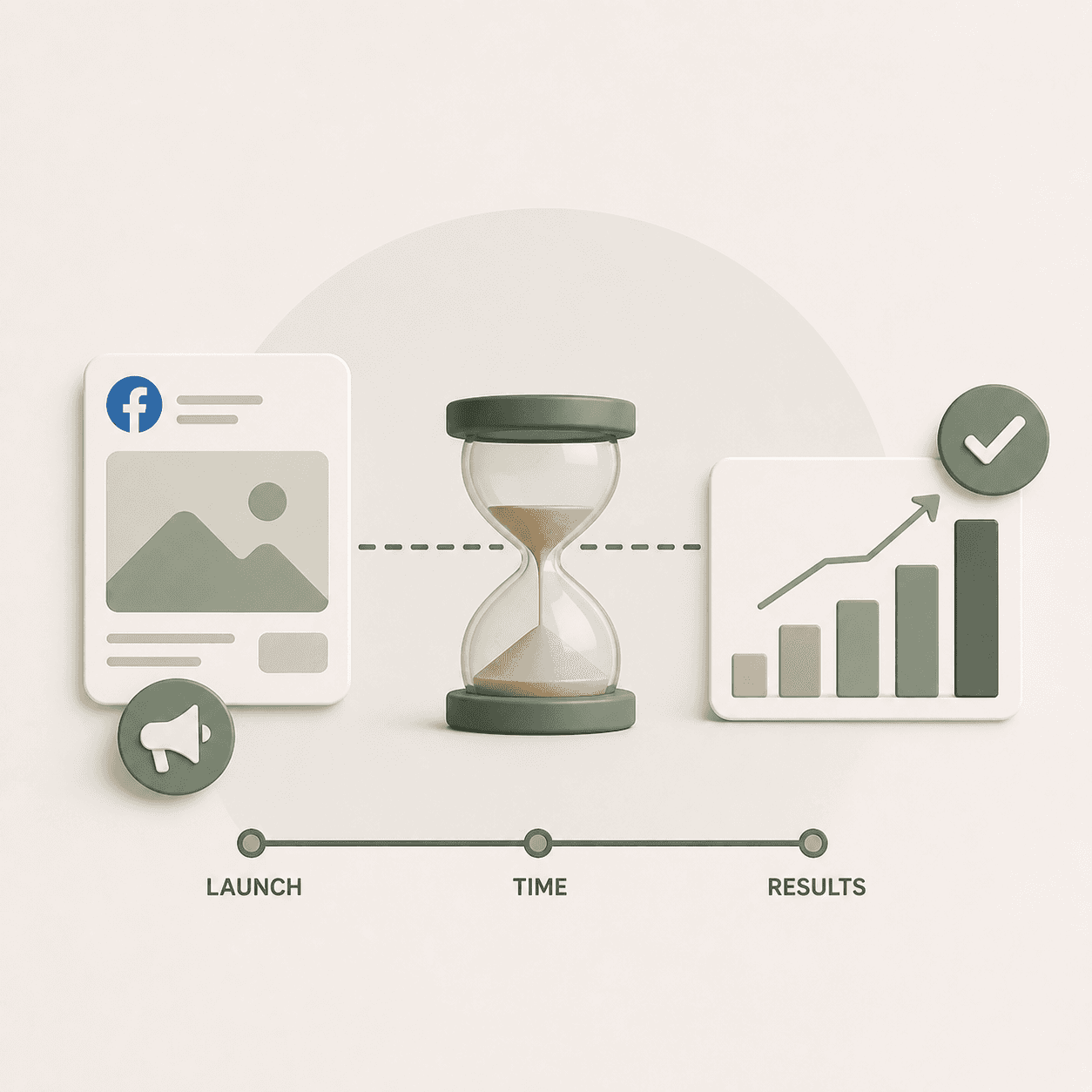
Initial performance signals typically appear within 2–4 weeks, but meaningful pipeline impact takes 60–90 days due to B2B sales cycles.

How Do I Set Up Meta's Conversions API for B2B SaaS?

Conversions API setup depends on your CRM and analytics stack. Tools like HubSpot and Segment have native integrations with Meta that allow you to send website events or CRM deal stage changes back to Meta with one click. If you don't have a platform with a native Meta integration, you can set up the Conversions API using Zapier, or by hosting server-side events on a platform like Stape and sending the events via Google Tag Manager.

What's the Difference Between Optimizing for Leads vs. SQLs on Meta?

Optimizing for leads means targeting anyone who will submit a form or book a demo, regardless of qualification level. Optimizing for SQLs trains Meta to target only qualified users who will take this conversion action, based on your business's unique qualification criteria.

How Do I Build Lookalike Audiences for B2B SaaS Using Personal Emails?

Use a lead enrichment platform like Clay or Apollo. Upload your target list or customer list, and these tools can search for validated personal email addresses that match each customer based on their work email and other fields like first name and last name.

Related Posts

Related Posts

Related Posts

Related Posts

Ready to talk?

Book A Call

We are a Paid Media agency based in New York, NY.
Flighted

New York, NY 11217

hello@flighted.co

© Flighted, 2026

Ready to talk?

Book A Call

We are a Paid Media agency based in New York, NY.

Flighted

New York, NY 11217

hello@flighted.co

© Flighted, 2026